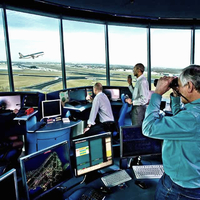


There was big trouble at Newark Airport last weekserious trouble. On April 28, air traffic controllers completely lost contact with inbound and outbound flights. No radar. No radio. No communication at all. A total blackout.
At the heart of it is the Federal Aviation Administration (FAA). Controller staffing has been stretched thin for years, with mandatory retirement at age 56 and too few recruits coming in. Equipment failures like this show just how fragile the system has become. The FAA tried to ease the pressure by shifting operations from Long Island to Philadelphiabut that facility is also under-resourced. The Governor of New Jersey is calling for urgent federal investment, warning that if nothing changes before the 2026 World Cup, were in for serious disruption.(The New York metro region currently ranksnumber one in the world for flight cancellations)
That same day,April 28, a massive blackoutstruck Spain, Portugal, and parts of southern France. Nothing workedno trains, no cell service. A complete infrastructure failure.
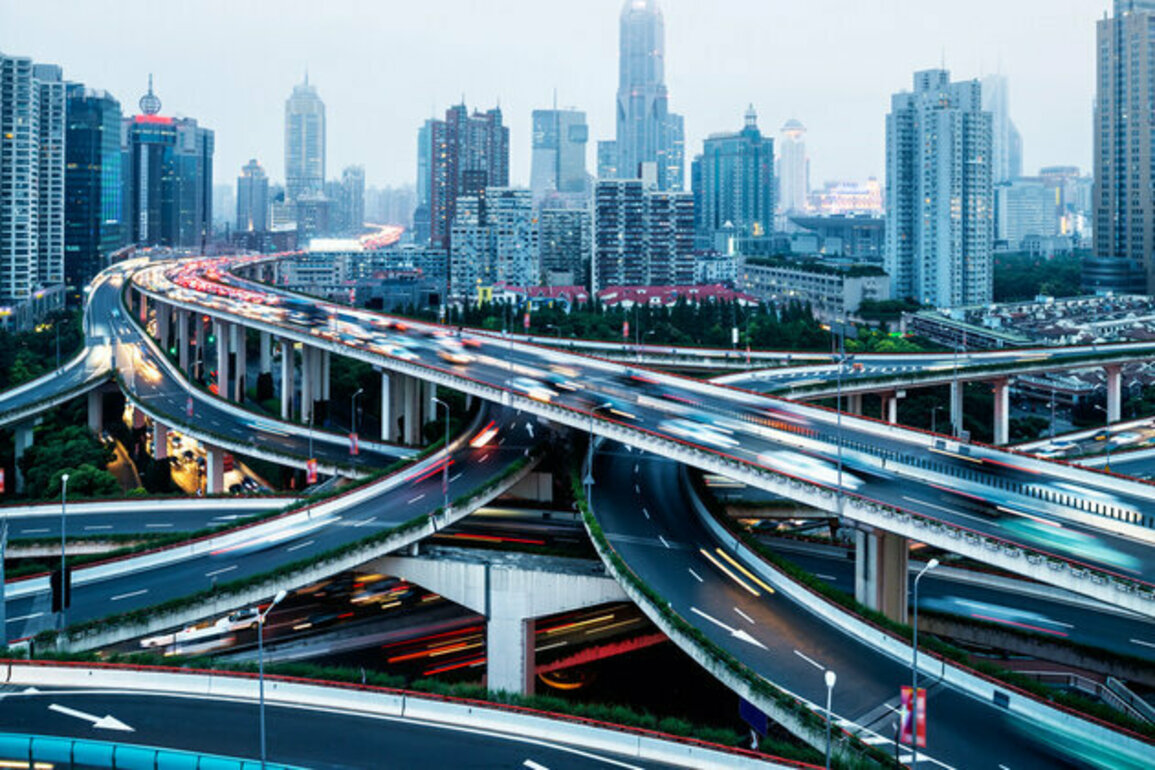
Now consider thisshort CNBC interviewwith Paul Tudor Jones, discussing the intense competition in AI and the total lack of coordinated effort to secure the infrastructure around it. Its like having cars going 200 mph on highways without guardrails.
One of humanitys greatest capacities is our ability to collaborate, to stay connected, and maintain the complex infrastructure that touches billions of lives. But in my daily life, how much time do I really spend thinking about infrastructure? Is it even a concern?
The people who keep our systems running often seem to exist in a parallel universeunseen, unrecognized. When you lose Internet connection at home, you call your provider. Someone shows up, works some magic, and it's done. If your morning commute is interrupted by roadwork, you take a detour and move on. Infrastructure remains invisibleuntil it fails.
The irony is that we depend more on infrastructure than we do on money. Even with wealth, you cant get clean water without an intricate system of tunnels, pipes, pressure control, and hygiene monitoring reaching your faucet. Our development as a species depends on our ability to manage and sustain these systems. But the truth is, were not doing a very good job.
This struggle to maintain our critical systems reflects a fundamental tension in modern society. As our social structures have increasingly emphasized individual achievement and personal needs, our collective capacity to value and invest in shared resources has weakened. Infrastructure, by definition, serves the common goodaddressing universal needs across economic dividesyet our political and economic frameworks often fail to prioritize these communal investments.
In the West, we face a dual challenge. First, maintaining existing infrastructure has become politically difficult, as public spending faces resistance from anti-tax movements and short-term political calculations that prioritize immediate returns. Second, and perhaps more concerning, is our diminished capacity for long-term infrastructure planning. Unlike previous generations who initiated multi-century projects like the Cologne Cathedralunderstanding full well they wouldn't live to see its completion. we seem incapable of imagining anything beyond our own lifetimes. We've lost the intergenerational vision that once drove ambitious public works.
This challenge manifests differently across political landscapes but remains fundamentally about our mindset toward the future. Consider Ecuador's experience under President Rafael Correa (20072017), where substantial investments in transportation, energy, and public services demonstrably reduced poverty rates and improved quality of life. Yet subsequent administrations abandoned these priorities, illustrating how infrastructure requires sustained commitment beyond individual leadership terms.
Similarly, movements like Brexit represented not merely a political realignment but a retreat from decades of collaborative infrastructure development across European borders. In the United States, the Trump phenomenon embodies a similar anti-infrastructure sentimentits focus is inward, short-term, and divisive.
A humanity with a futureprioritizes infrastructure for three very simple reasons: a clear vision of what tomorrow needs; a strong sense of shared purpose; and a deep, transcendent commitment to doing not just for ourselves, but for generations to come. The communities that thrive in coming decades will be those that reconnect their immediate decisions with these longer horizons.
David Andersson